The Room That Never Sleeps: A Pint's Apprenticeship Beneath the Bar
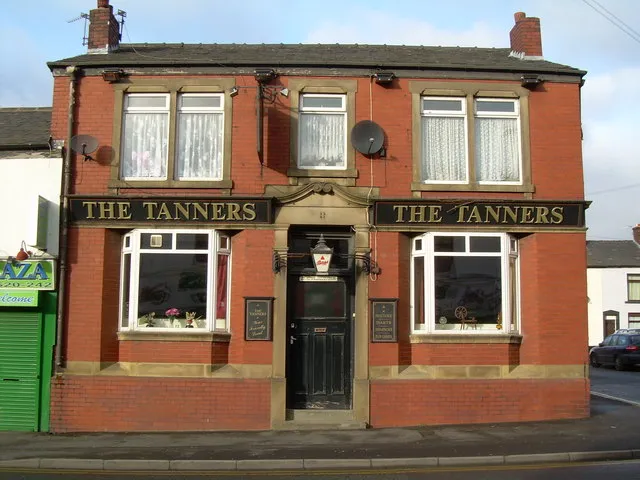
Photo: ANDY RAMMY, CC BY-SA 2.0, via Wikimedia Commons
There's a door at the back of The Leopard that most people walk past on their way to the loos. It's painted the same colour as everything else, it's got a draught coming round the edge of it, and behind it is a set of steps that go down further than you'd expect for a building on this corner of Burslem. Down there is where your pint actually happens. The bar is just the last six feet of a much longer journey.
I was invited down on a Tuesday morning, which is not the glamorous end of the week in any pub. The cellar was cold in the way a proper cellar should be — not fridge-cold, not damp, just steady. If you've ever opened a cupboard under the stairs in November and thought "this is about right for a barrel," you're not far off the mark.
The Ten Minutes Nobody Claps For
Line cleaning is the least romantic job in the building and the most important. Once a week, sometimes more often depending on how much is shifting, every beer line gets flushed through with cleaning solution, left to sit, then rinsed until the water runs clear and tasteless. The lines run from the cellar up into the bar, coiled behind the pumps, and if you've ever had a pint that tasted faintly of vinegar and regret, you've met a line that wasn't looked after.
Here's the bit that surprises people: the first pint pulled after a clean is never the one to judge. It's the flush. It's the line finding its feet again, water and a bit of foam and the ghost of the cleaner still working its way out. Publicans tip it away, or drink it themselves, or occasionally let a regular who's been standing there long enough have it on the house with a warning. What you want is the second or third pull, once the beer has settled back into itself.
So if you ever see a pint being poured and tipped straight down the drain, don't wince. That's the ten minutes that protect your two hours.
What "Condition" Actually Means
People talk about a pint being "in good condition" as though it's a compliment about the beer's personality. It's more literal than that. Condition is the state of the beer in the cask: the carbonation that comes from a slow secondary fermentation, the temperature it's held at, how long it's had to settle after being moved, whether it's still got a bit of life in it or has gone flat and tired.
A cask is a living thing, more or less. It arrives with yeast still working quietly away, and it needs time to finish. You vent it — knock a soft peg in, let the excess gas escape, then seal it again once it's ready. You tap it, you let it settle, and only then do you start pulling. Rush any of those steps and you get a pint that's either fizzing like it's got something to prove or flat as a Monday afternoon.
The same beer, kept well and kept badly, is not the same drink. I've had pints of the same ale in two pubs a mile apart that tasted like distant cousins. One was bright and biscuity with a proper lingering finish; the other was thin and sweet and gone by the third mouthful. Nothing wrong with the brewery. Everything to do with the cellar.
The First Pint Is Not the One to Judge
This bears repeating, because it's the thing drinkers get wrong most often. The first pint pulled from a fresh cask after tapping is not representative. It's the one carrying the sediment, the one still settling, the one where the tap and the line are getting reacquainted. Good cellarmen will pull a jug or two and set them aside before the cask is put on sale. It's not waste — it's the apprenticeship.
By the second or third pint, you're into the beer proper. That's the one to form an opinion on. If you've ever had a first pint that seemed a bit hazy or a bit flat and then a second that was lovely, that's not your imagination. That's condition finding its level.
The Chiller's Long Night
Overnight, the cellar is not empty of activity. The chiller hums. The lines sit full. The casks settle a fraction more. There's a thermostat on the wall doing a job nobody thanks it for, holding the room at a temperature that's cool but not cold — around eleven or twelve degrees for cask, if you're asking. Any colder and you kill the flavour. Any warmer and the beer gets ideas above its station.
This is why a cellar in Burslem in November is a better guardian of a pint than a shiny font on a bar top in a place with air conditioning and a cocktail list. The cellar does the work quietly. The font just does the pouring.
Why the Fancy Tap Can't Save a Bad Cellar
You can put a beer through a chrome tower with a brass badge and a chalkboard story about the hop harvest, and if the line hasn't been cleaned or the cask has been sitting too long, it'll still taste wrong. Presentation is not preservation. The best a bar top can do is not get in the way.
What actually protects a pint is duller than that: regular cleaning, sensible rotation, a chiller that's checked, a cellar that's kept tidy, and someone willing to go down those steps on a Tuesday morning when they'd rather be upstairs with a cup of tea.
The Bit You Never See
Next time you're stood at The Leopard waiting for a pint to be pulled, have a thought for the room below. The steps, the cold, the hum, the tipped-away first pour, the peg knocked in and sealed again. It's ten minutes here and there, spread across a week, and it's the reason the beer in your hand tastes like the beer the brewer intended.
Proper scran gets the credit. The cellar just gets on with it. Which, round here, is roughly how it should be.