The Pint Before the Question: Small Rituals of a Burslem Welcome
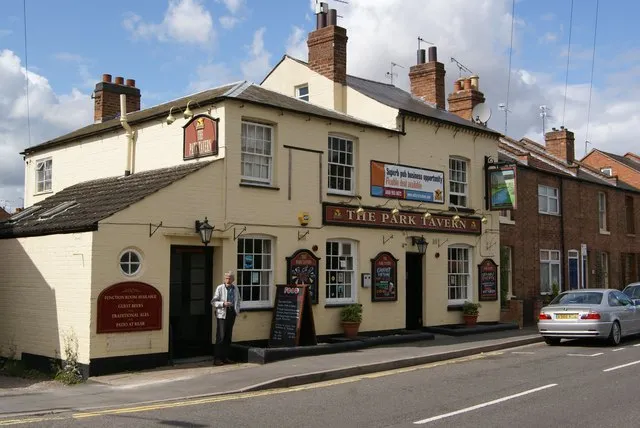
Photo: Colin Craig, CC BY-SA 2.0, via Wikimedia Commons
There is a moment, just after the door swings shut, when a pub decides what sort of room it is going to be. In Burslem, that moment is usually settled before the stranger has reached the bar. A nod from the corner. A landlord who has already reached for a glass. A remark about the weather that is not really about the weather at all.
It looks effortless. It is not. A proper welcome is a craft, and like most crafts it is easier to spot when it is missing.
The First Ten Seconds
Watch a good local landlord at work. Someone new comes in — maybe they are lost, maybe they are early for a train, maybe they have just moved to the area and are trying to find their feet. The landlord does not pounce. They do not ignore them either. There is a glance, a small acknowledgment, a pause just long enough to let the stranger know they have been seen without being made to feel like an exhibit.
Then comes the line that does most of the work: 'What can I get you?' Not 'Are you all right there?' in the tone that suggests you might not be. Not a menu thrust across the bar before a hello. Just a simple question that treats you like a person who has walked into a pub, which is exactly what you are.
At The Leopard, that rhythm is part of the furniture. It is not written on a chalkboard. It is in the way the bar staff move, the way they ask a second question if the first answer is short, the way they let a silence sit if it needs to.
The Nod and the Name
There is a particular Burslem nod. It is not a big gesture. It is a slight lift of the chin, sometimes accompanied by a raised glass, sometimes not. It says: I see you. It does not commit either party to a conversation. It is the pub equivalent of holding a door open.
Then there is the name. Not everyone gets one straight away. Names are earned by turning up, by remembering whose round it is, by not being a nuisance. But when a landlord starts using your name without checking it against a loyalty card, you have crossed a line. You are no longer a customer. You are part of the cast.
This is the sort of thing that cannot be franchised. You can train staff to smile. You cannot train them to mean it. The pubs that get it right are the ones where the welcome comes from the same place as the beer: local, unhurried and slightly opinionated.
Banter With Brakes
A good local knows how to take a joke and how to tell one. It also knows when to stop. There is a fine line between a bit of gentle ribbing and making someone feel small. The best Burslem landlords have an instinct for it. They can ask a stranger where they are from without making it sound like an interrogation. They can laugh at themselves before anyone else gets the chance.
I once watched a man come into a pub near the town centre with mud on his boots and a map on his phone. He was clearly not from round here. The landlord looked at the boots, looked at the map and said, 'You'll want the oatcakes before the directions.' Ten minutes later the man had a bacon oatcake, a pint he had not asked for and a hand-drawn route to the canal. He also had a new favourite pub.
That is the trick. The welcome is not a performance. It is a series of small, practical kindnesses. A dry towel for a wet coat. A chair moved without being asked. A pint pulled before you have finished deciding, because someone has been watching and knows what you drink.
The Leopard's Small Theatre
Every pub has its own version of this. At The Leopard, it might be the way a regular is greeted with a question about their dog, or the way a stranger is steered towards the specials board before they have had a chance to look lost. It is the quiet theatre of a room that has been doing this for a long time.
There is history in that. Burslem has lost plenty of pubs over the years, and every closure takes a little bit of this knowledge with it. The welcome is not a soft extra. It is part of the local infrastructure. It is how people find each other, how news travels, how a town keeps an eye on its own.
Why It Matters
You can put a sign above a door that says 'Everyone Welcome'. It means nothing if the room does not back it up. A proper welcome is a skill worth keeping alive, not because it is quaint, but because it makes the difference between a pub and a room with beer in it.
So next time you walk into a Burslem local and someone nods before you have taken your coat off, notice it. That is not an accident. That is the art of the welcome, still being practised, still being passed on. And long may it stay that way.