Doors That Have Closed, Welcomes That Remain: A Burslem Pub Trail
Photo: A.Savin, FAL, via Wikimedia Commons
Every town keeps a ghost map of its pubs. In Burslem the map is crowded. You can walk from one end of the Mother Town to the other and pass buildings that were once packed on a Friday night, their windows fogged up, their yards full of bicycles and arguments and laughter. Some are shops now. Some are flats. Some are simply gone, replaced by tarmac or a patch of weeds with a story attached. It would be easy to turn all that into a mournful piece about the death of the British pub. That is not the Burslem way. The better question is what those old neighbours still teach us.
A town built on pots and pints
Burslem grew up around the pottery industry, and its pubs grew up with it. The pot banks were hot, dusty and demanding. Workers needed somewhere to wash the clay off their hands and the day out of their heads. Pubs clustered near the works and along the main roads: the Crown, the Royal Oak, the Wheatsheaf, the Swan, the Navigation, the George. Some of those names survived; others did not. The exact list depends on which old map you trust, but the pattern is clear. For generations, the pub was not an optional extra. It was the front room of the neighbourhood.
That meant the pub had to do more than serve beer. It was where wages were discussed, where teams were picked, where funerals were arranged and where a quiet word could sort out a dispute before it turned into something worse. The landlord knew who was flush and who was skint. The landlady knew whose marriage was wobbling. A good pub kept its mouth shut and its door open. That is not nostalgia. That is a practical description of how a working town looked after itself.
When the map started to change
The changes came in waves. Brewery consolidation swallowed up small tied houses. Patterns of work shifted. The smoking ban in 2007 changed the rhythm of a night out, and while most people would not go back, it did alter the way pubs felt and smelled and sounded. Supermarkets started selling cheap drink by the crate. The cost of living squeezed the night out. One by one, some doors stopped swinging.
What is striking is how often the loss of a pub was felt as a loss of a meeting place rather than a loss of a building. People did not mourn the carpet or the brass rail. They mourned the fact that there was nowhere to bump into the same faces week after week. A pub is one of the last places in a town where you can talk to someone you did not arrange to meet. That is a strange and precious thing, and it is easy to take for granted until it is gone.
What the old neighbours still teach us
The lost pubs of Burslem teach a simple lesson: a pub cannot survive on beer alone. It needs a reason to be. Sometimes that reason is food. Sometimes it is music or sport or a quiz or a garden that catches the sun. Often it is just the landlord’s ability to remember your name and your usual. The old pubs that lasted were the ones that became part of the furniture of people’s lives.
They also teach us not to be precious about the past. The pubs that vanished were not all palaces. Some were rough. Some were cold. Some served beer that had seen better days. The point is not that everything was better then. The point is that the best of them understood something we still need: a pub is a shared room, not a product. It belongs to the people who use it.
The Leopard in 2026
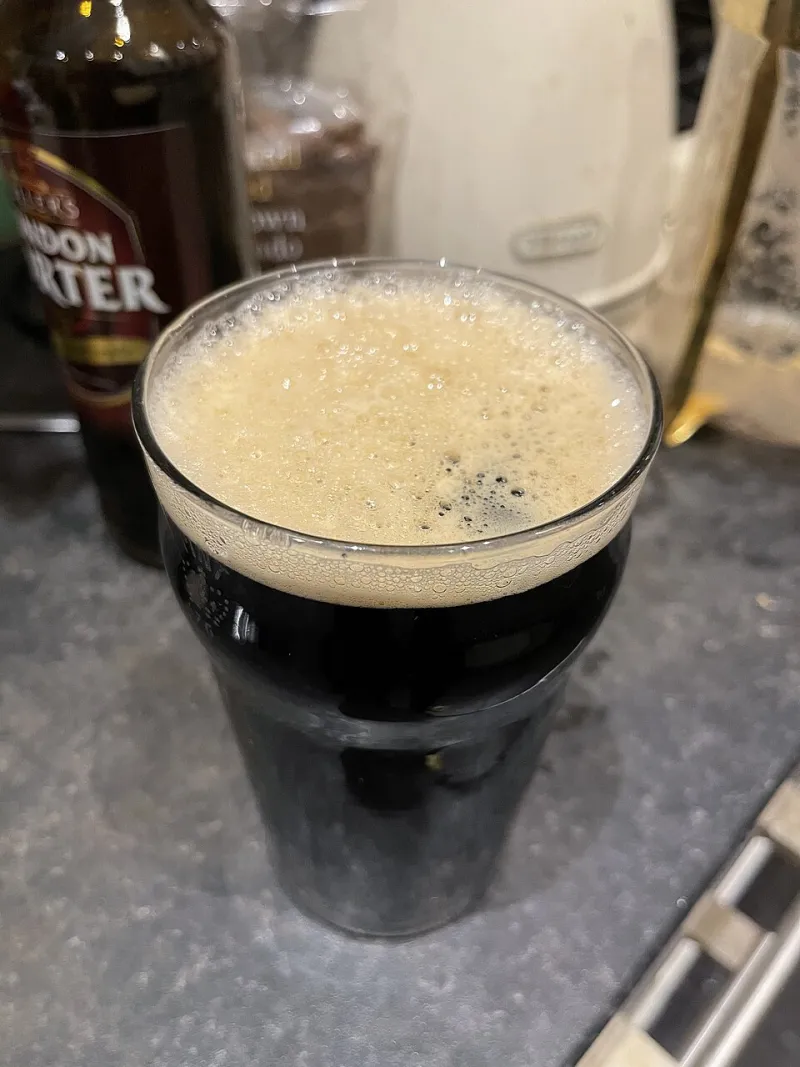
That is the tradition The Leopard carries forward. We are not a museum piece and we are not trying to recreate a sepia photograph. We are a Burslem pub in 2026, with ale that is kept properly, scran that fills you up without emptying your wallet, and a welcome that does not depend on how long you have lived in the town. You can come in for a quiet pint and a read. You can come in with a crowd and take over the corner. You can bring your dog, your mate, your dad or your worries. The door is the same door it has always been: open.
The old pubs on the ghost map are not gone from the town’s conversation. They are in the walls and the street names and the way people still say ‘I’ll meet you by the old such-and-such’. The Leopard cannot replace them. It can do what they did at their best: keep a light on, keep the ale honest and keep a seat warm for whoever comes through the door. That is how a pub tradition survives. Not by looking backwards, but by making the welcome feel worth coming back for.